
How I Use AI to Turn Dreams Into Personal Understanding
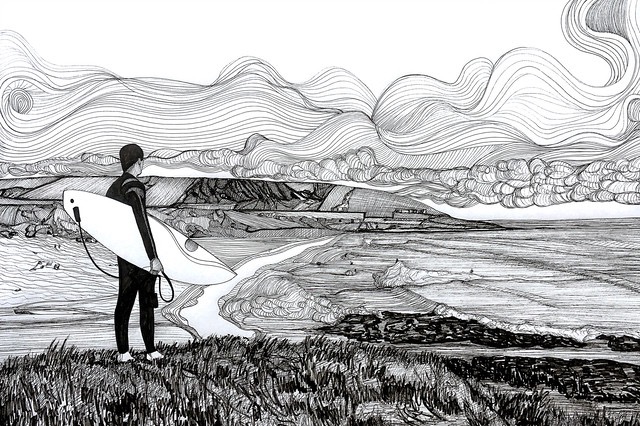
Step 1 — Record your dream as soon as you wake up.
I use ChatGPT to log my dreams while the memories and emotions are still fresh. I describe the people, places, events and feelings, and the AI asks me questions one at a time to help capture the details.
Step 2 — Let AI reflect your dream back to you.
Once I've recorded everything, AI offers a gentle symbolic interpretation, including a creative retelling inspired by Greek mythology. This gives me a different perspective on the emotions, relationships and experiences within the dream.
Step 3 — Copy and save your dream.
ChatGPT initially gives me the dream translation in a copy-and-paste box.
I copy it into my phone calendar, usually placing it an hour or two before I woke up on the date I had the dream.
There's a very particular reason I do this, and it deserves a blog post of its own.
Years ago, I had one of the strongest and most vivid dreams of my life about someone I hadn't thought about for 13 years. What I didn't know at the time was that this person had died. I only discovered their death a few weeks later. When I looked back at the timing, I realised my dream had occurred remarkably close to when they died. Even more strikingly, the imagery in my dream closely resembled the actual scene where they died.
I hadn't written down the dream, and I've always regretted that. It was an extraordinary personal experience, and one I still think about today.
I'll share the full story in another blog post.
For now, that's why I believe in keeping a dated record of your dreams. You never know when you might want to revisit one.
Step 4 — Play emotional ping-pong with AI.
This is where the real value begins.
Don't stop at the first interpretation. Tell AI what resonates, what doesn't, and what reminds you of your waking life. Ask it to go deeper.
Let it reflect your thoughts back to you, then respond again. Back and forth, like a ping-pong ball.
You remain in control of the meaning. AI doesn't know what your dream means, but its questions and creative perspectives can help you discover connections you might otherwise overlook.
Step 5 — Follow the connections into everyday life.
This morning, I woke from an intense, emotionally uncomfortable dream. Through this process, I moved from exploring anger, fear and relationships to recognising connections with my creativity, procrastination and desire for a more peaceful, balanced life.
One small image from the AI's fictional Greek story — a quiet room filled with unfinished creative projects — became the starting point for an extraordinary personal reflection.
It wasn't an image from my original dream. It was something I recognised in the story, and that recognition opened an entirely new conversation.
Step 6 — Take the understanding into your day.
Instead of carrying the emotional weight of the dream into my morning, I finished feeling lighter, more positive and more excited about my creative work.
For me, that is the power of dream reflection. Not predicting the future or uncovering some guaranteed hidden truth, but using dreams as a starting point for understanding ourselves.
Why I Use ChatGPT
I've built a comfortable working relationship with ChatGPT, and I personally find the longer, uninterrupted conversations especially valuable.
Free AI tools can be a great starting point, although usage limits may interrupt deeper conversations. A paid subscription, at around £20 a month depending on the plan and pricing, may be worthwhile for people who use it regularly.
For me, the value goes far beyond dreams. AI can support creative work, learning, problem-solving, organisation and personal reflection, whatever your profession or stage of life.
It's available whenever I want to explore an idea, including those early mornings when I've just woken from a powerful dream.
I don't regard it as a replacement for a professional counsellor or mental health treatment. I see it as an accessible, remarkably versatile tool for reflection and everyday personal development.
My Biggest Discovery
The first AI interpretation isn't the destination. It's the beginning of the conversation.
The more thoughtfully I respond, question and explore, the more useful the reflection becomes.
And sometimes a disturbing dream can become the beginning of a genuinely positive day.
That's a big part of the philosophy behind Don't Lose Your Dreams.
Don't Lose Your Dreams — The Book Is Nearly Here!
I'm incredibly proud to say that my book, Don't Lose Your Dreams, is almost finished!
I'm working through the final edits now, and after everything that's gone into creating it, I'm genuinely excited to share it with you.
It's a project that's very close to my heart, exploring dreams, personal reflection and the fascinating connections we can make between our sleeping and waking lives.
It's coming soon, and I'd love you to be among the first to know when it's released.
Visit my website:www.russellscottskinner.com
Look for the subscribe option at the top of the website, or use the email contact link to get in touch and ask to be notified.
As soon as the book is available, I'll let you know.
In the meantime, don't lose your dreams. You never know what you might discover when you take the time to explore them.
Comments